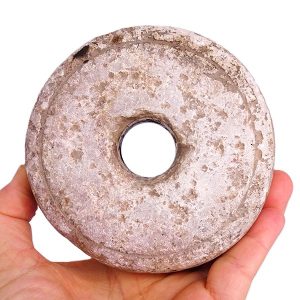

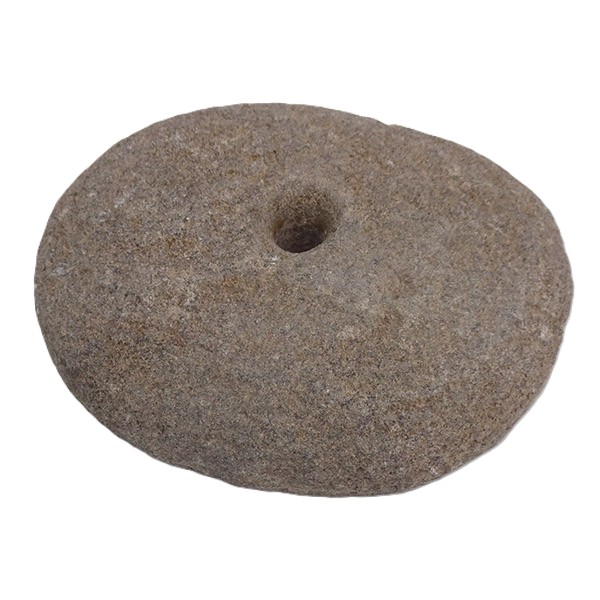
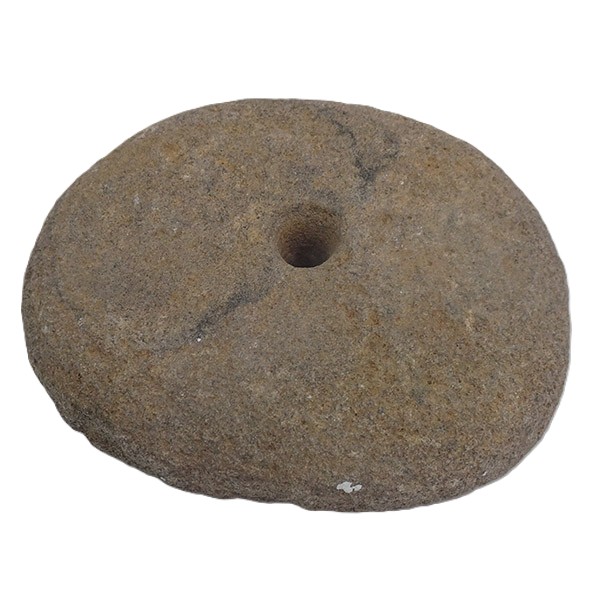
stone fusayola
90,00 €
Period: Neolithic.
Origin: Tata, Morocco.
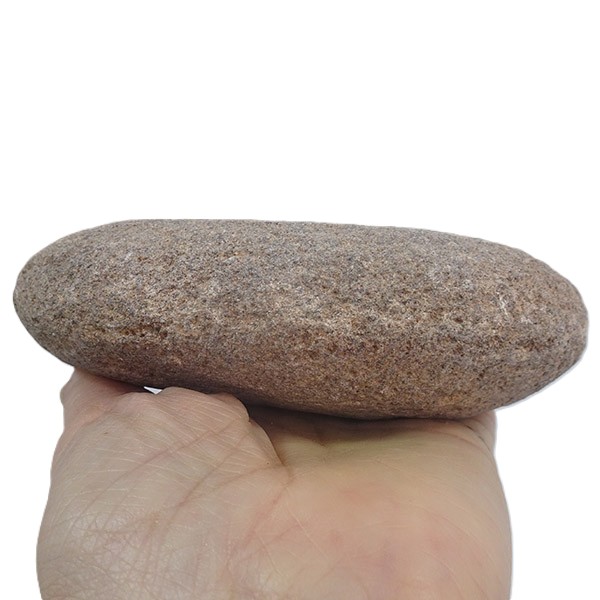
Measurements: 13.5 cm x 12 cm
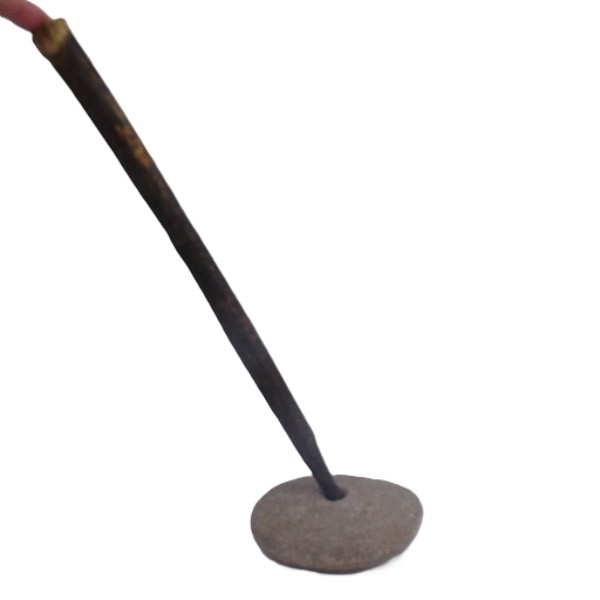
A tortera, winch, steering wheel or fusayola It is a piece of ceramic, metal, stone or bone, among other possible materials, which is used as a counterweight, placed on the vertical type spindle, which also serves as a stop when placed at the bottom of the stem or stick.
The spindle was the main tool for spinning in the Neolithic, a simple stick with a counterweight (the fusayola or tortera) that allowed plant or animal fibers (wool, linen) to be twisted to create thread, marking a crucial invention for the manufacture of clothing and textiles. The fiber was wound on the stick, given a twist that made the whole rotate, and the centrifugal force created the twist necessary to form the thread, forming skeins that were then woven on the loom.
Components:
- Stem: elongated rod, usually made of wood.
- Fusayola, tortera, winch or steering wheel: weight (stone, clay, bone) with a central hole that was inserted into the lower end of the stem, providing the rotating impulse and keeping the thread taut.