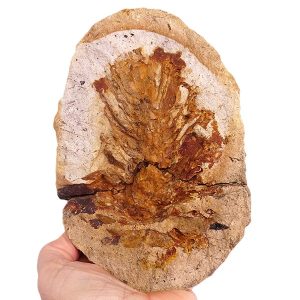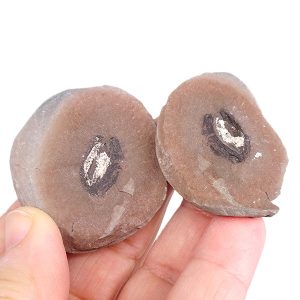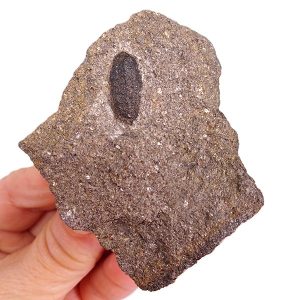

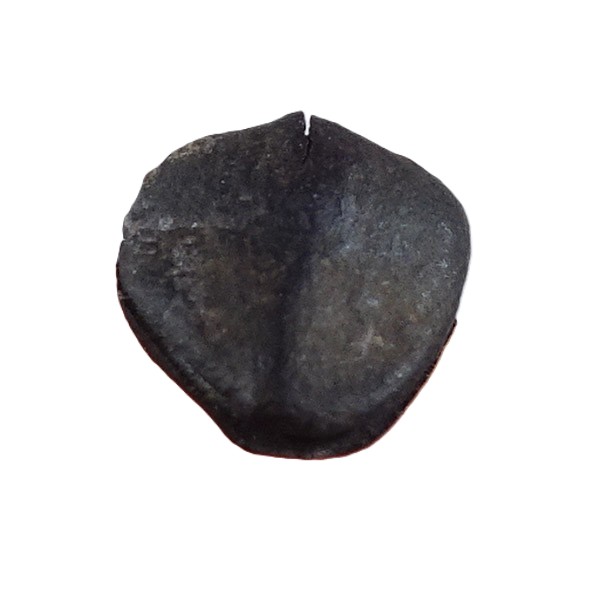
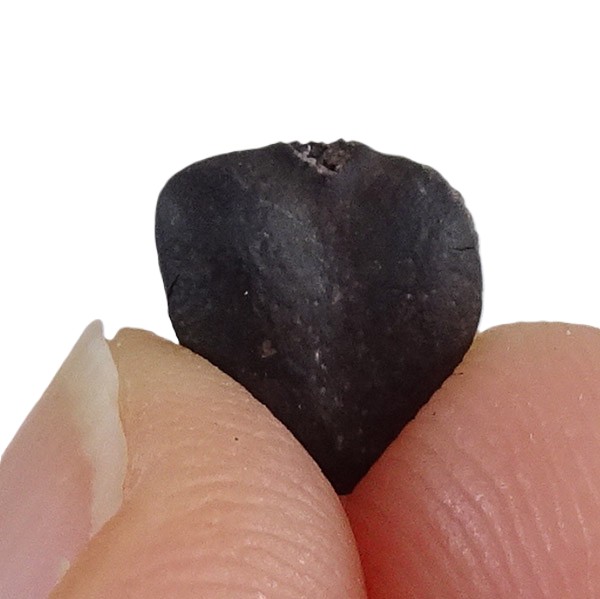
Magnolia lignata
10,00 €
Series: Pliocene.
Origin: Hambach Mine, Niederzier and Elsdorf, North Rhine-Westphalia, Germany.
Measurements: 0.8 cm x 0.8 cm
1 in stock
seed of Magnolia From an old collection.
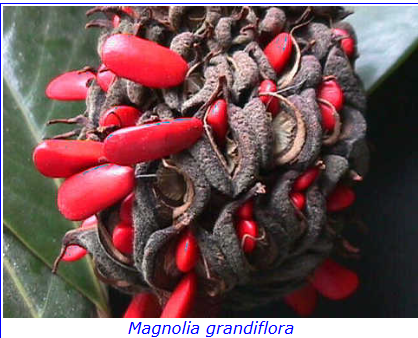
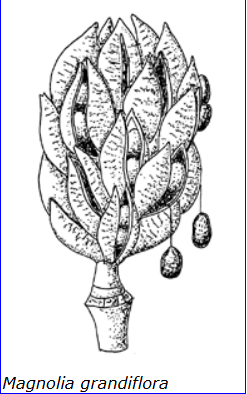
The magnolia produces a fruit that is not a single fruit, but an aggregate of several individual follicles. A follicle is a type of nut that is opened by a single suture line to release the seed. In magnolias, these follicles clump together and form a structure that may resemble a pine cone or a cone. When the magnolia fruit ripens, the follicles open and reveal the seeds, which are usually bright red and attached to the follicle by a fine thread called a funiculus. The shape and size of the follicles can vary depending on the magnolia species, but their main function is to protect and release the seeds.
Magnolia It is a genus of plants belonging to the Magnoliaceae family, an ancient family that evolved before bees appeared, so the flowers developed so that they could be pollinated by beetles. They have hard carpels to prevent deterioration. Fossilized specimens of M. acuminata 20 million years old, and plants similar to the Magnoliaceae family dating back to 125 million years ago have been identified.
This piece was found in the Hambach open pit coal mine.
The box is included in the price