
Araucarioxylon arizonicum
997,00 €
System: Triassic.
Formation: Chinle.
Origin: National Park Petrified Forest, Arizona, USA
Measurements: 27 cm x 16 cm x 21 cm
This piece carries an extra cost in shipping costs, check the price.
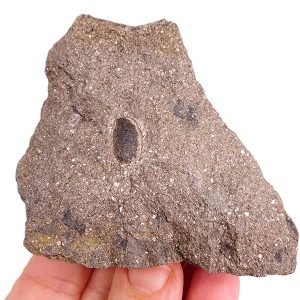
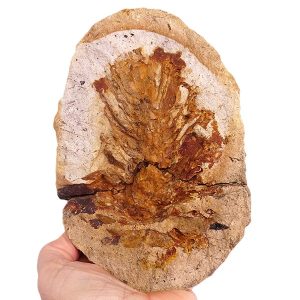
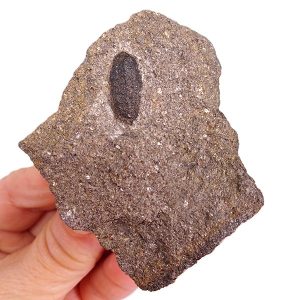
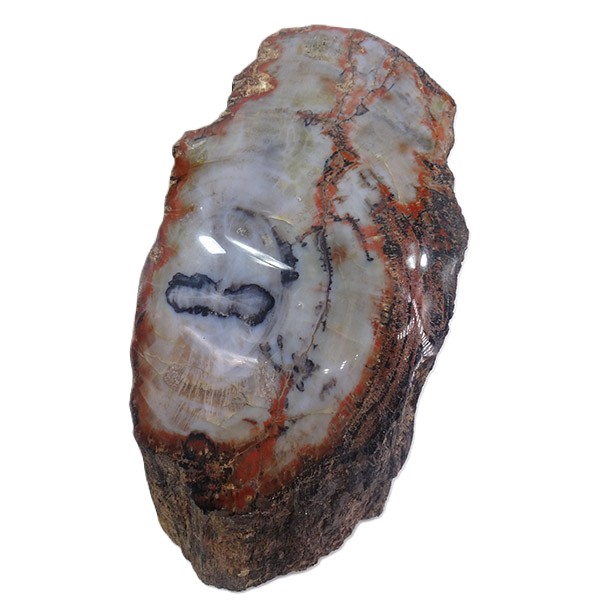
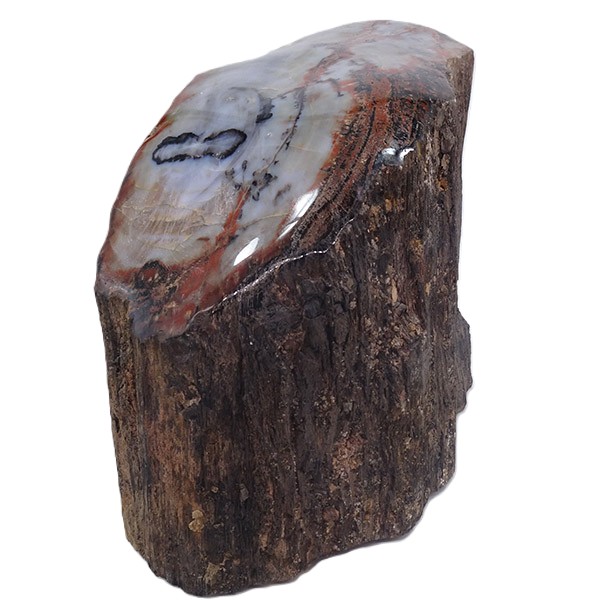
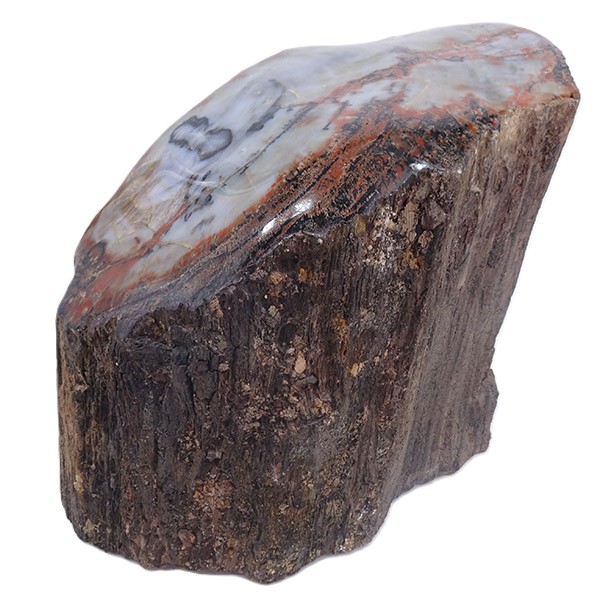
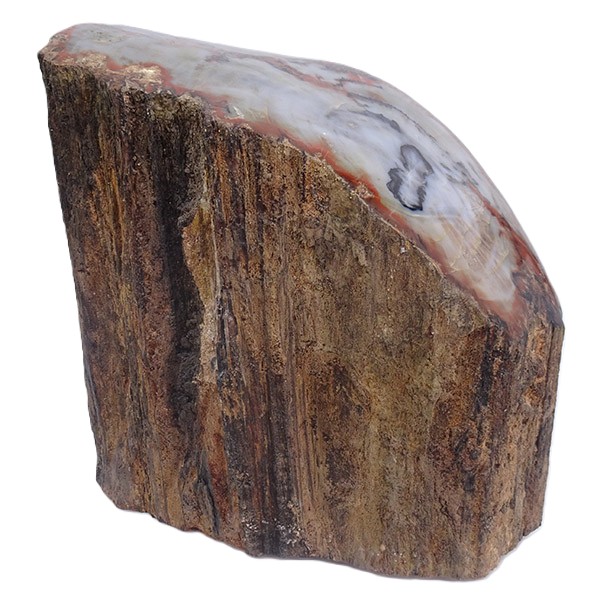
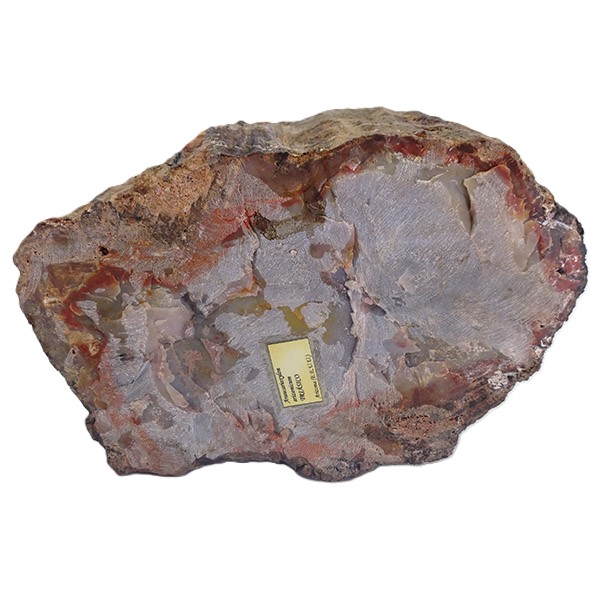
Araucarioxylon arizonicum it's a kind of conifer of the Araucariaceae family, which could reach 60 meters in height and 3 meters in diameter. The specimen we see in the photo corresponds to the remains of a wood fossilized in the Triassic period, more than 200 million years ago.
Fossilized woods receive the generic name of xylopal. "Xylópalo" combines the Greek word xylon (wood) with Latin stick (word for stick). Wood trunks fossilize through a process called permineralization in which the precipitation of minerals takes place in plant cell tissues. Often it is the silica that precipitates, so that all the organic material is replaced by this mineral. Fossilization occurs underground, when the wood is buried under conditions of lack of oxygen, which favors its conservation. The water rich in minerals is filtered and deposits them in the cells of the plant, so that when the lignin and cellulose decompose, a mold transformed into silica is formed in their place. The process of preserving fossil remains in silica is called silicification.The coloration is due to various minerals and impurities present in the water during fossilization. For example, red colors in many cases can be attributed to iron compounds, green colors to copper, etc. Petrified wood can retain the details of its original structure. For example, it is common to see very faint growth rings, as seen in the specimen in the photograph.