
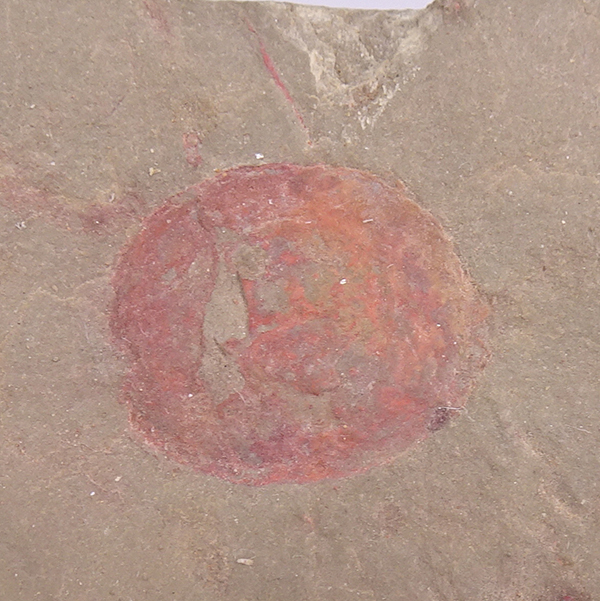
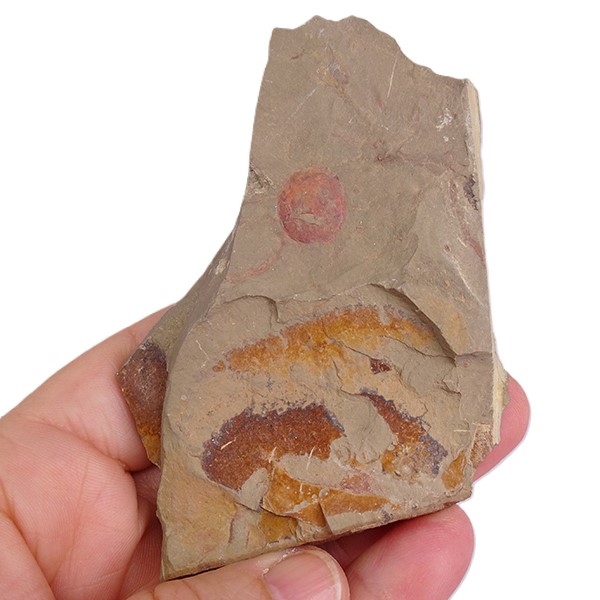
Choia sp.
30,00 €
System: Ordovician.
Stage: Arenigiense.
Formation: Fezouata.
Origin: Zagora, Morocco.
Plate measurements: 9.5 cm x 6.8 cm
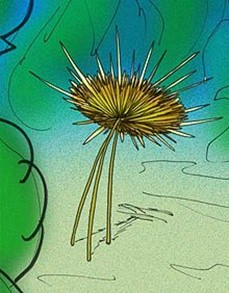
Choia It is a genus of extinct demosponge (skeleton composed of silica spicules and fibers of the protein spongin) that lived from the Cambrian to the Early Ordovician. The living animal was suspended high above the seabed, attached by stem-like spines derived from spicules.
The Fezouata deposits, near the Moroccan city of Zagora, are providing a rich sample of a fauna similar, although later in time, to the famous Burgess Shale (Canada). We are talking about fossils between 480 and 472 million years old. The age indicates that the Burgess Shale type communities were not restricted, as was believed, to the early stages of the Cambrian and then suddenly disappeared, but rather they survived much longer, coexisted with the later fauna and would be the normal type of deep sea fauna throughout the planet. So Morocco was an ocean and was over the South Pole.