
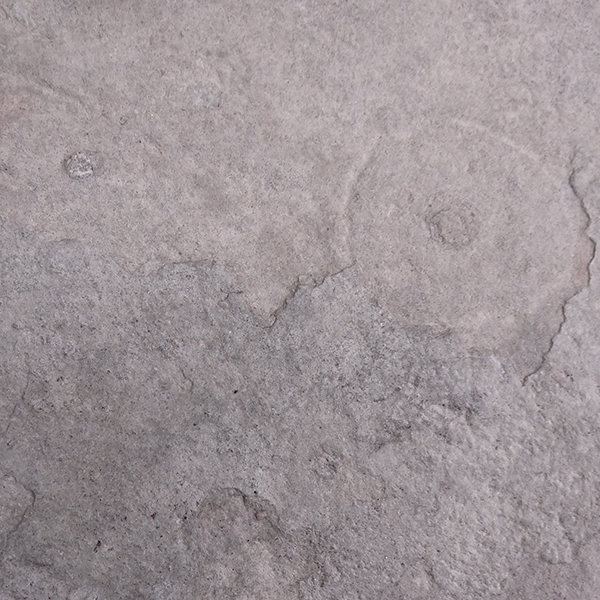

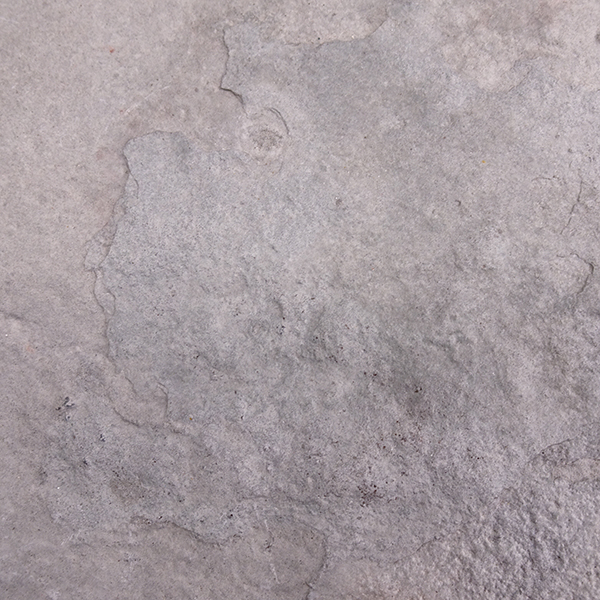
Cyclomedusa davidi
120,00 €
Supereon: Precambrian.
System: Ediacaran.
Formation: Mogilev.
Provenance: Novodnistrovsk quarry, Podolia, Ukraine.
Plate measurements: 23.6 cm x 14 cm
Cyclomedusa is included in the cnidarian section but it is not a jellyfish, but a medusoid.
The medusoids They are those extinct jellyfish-like beings that lived at the end of the Precambrian. It is considered that they would be one of the oldest animals, since fossils have been found from approximately 580 million years ago, and they were part of the Ediacara fauna. Initially it was thought that they were swimmers, in reality it was later concluded that they were benthic discs anchored to the seabed or semi-buried.
He Ediacaran It begins about 635 million years ago and ends 542 million years ago (it is followed by the Cambrian). The oldest remains belonging to the animal kingdom are known from this period, about 570 million years ago, and it is famous for its "Ediacaran fauna." This fauna consisted of multicellular organisms with morphological and physiological characteristics different from later organisms. They had not yet developed shells or skeletons and their relationship to present-day organisms or even those after the Cambrian explosion is difficult to interpret. The most common types resemble segmented worms, fronds, discs, or immobile sacs. Since fossils don't show much about its position in the evolutionary line, its origin and history may never be discovered.
More than one hundred Ediacaran genera have been described, including Kimberella, Aspidella, Dickinsonia, Charnia, Cyclomedusa, among others. There are many theories about the identity of these organisms. A hypothesis, which seems quite accurate but still causes controversy, about this fauna, proposes that these organisms were not animals (multicellular eukaryotic organisms (cells with a differentiated nucleus) with differentiated tissues) but prokaryotic organisms (cells that lack a differentiated nucleus, smaller and simpler) formed by several cells, without internal cavities or differentiated tissues.
Thus, the end of the still mysterious fauna of Ediacara could have been linked to a brief and catastrophic phenomenon, which made the vast majority of these complex organisms disappear, opening the way to the great "explosion of life" that marks the beginning of the Phanerozoic: the so-called "Cambrian explosion."