
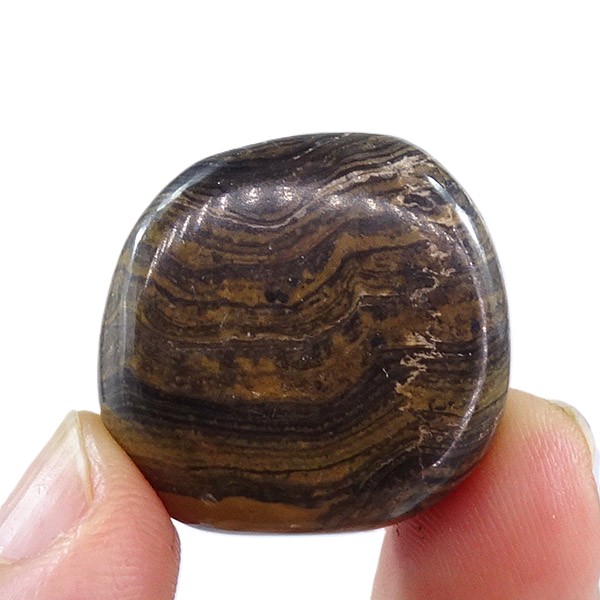
Estromatolite
8,00 €
System: Cretaceous.
Origin: Potosí, Bolivia.
Measurements: 2.5 cm x 1.3 cm
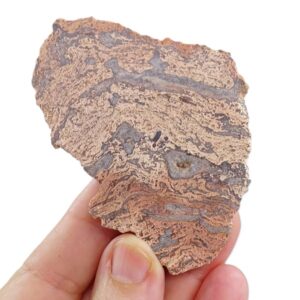
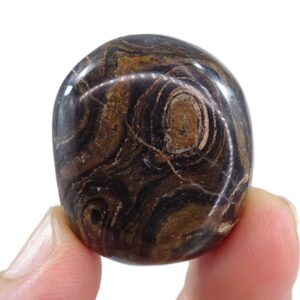
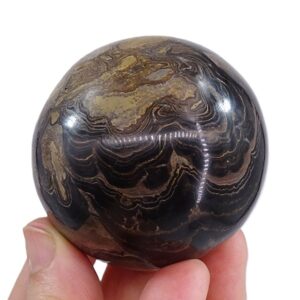
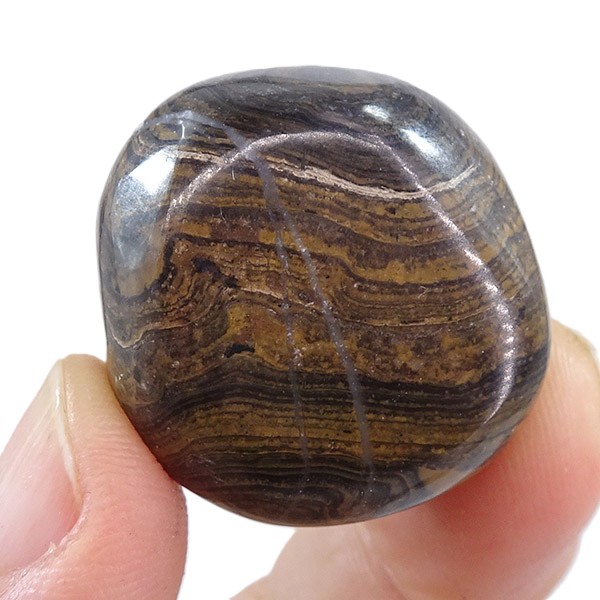
Stromatolites (from the Greek στρώμα strōma = bed/carpet and λίθο litho = stone) are stratified structures, formed by the capture and fixation of carbonate particles by cyanobacteria in shallow waters that, in photosynthesis, release oxygen and remove large amounts of carbon dioxide from the atmosphere, to form carbonates that, when precipitated, give rise to the formation of the stromatolites.
When examined in section under a microscope, many superimposed layers are distinguished in thin sheets stacked on top of each other, in which only the superficial layer contains living organisms. These rocks are the result of the union of single-celled microorganisms, cyanobacteria, which live in warm seas and shallow waters. Rocks form very slowly, layer upon layer; When the cells die, the calcium carbonate from their walls is deposited on the previous layer, forming a new living layer on them.
About 3,500 million years ago, when millions of living cells already existed in the oceans, stromatolites appeared and between 2,500 and 1,000 million years ago, the stromatolite reefs were widely expanded and massively producing oxygen, which was the cause of the planet's first mass extinction and caused a drastic change in the Earth's atmosphere, notable to this day.
Currently, they only form in a few rare preserved places on the planet, such as the west coast of Australia.