
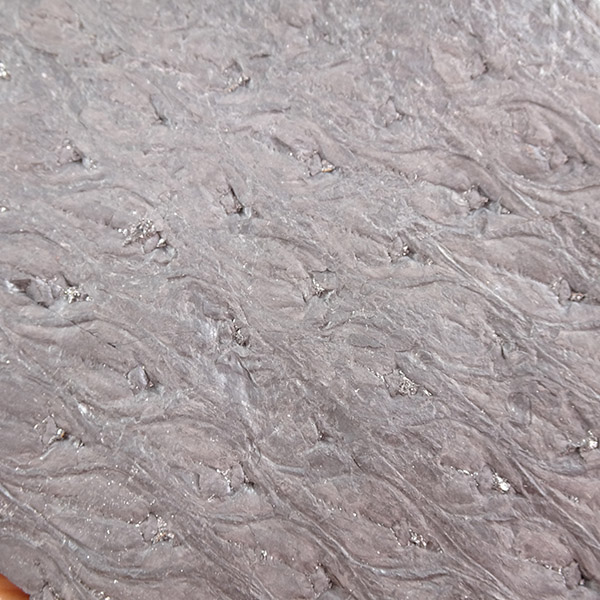
Lepidodendron aculeatum and Lepidodendron lycopodioides
78,00 €
System: Carboniferous.
Subfloor: Westphalian.
Procedencia: Ibbenbüren, distrito de Steinfurt, estado de Renania del Norte-Westfalia, Alemania.
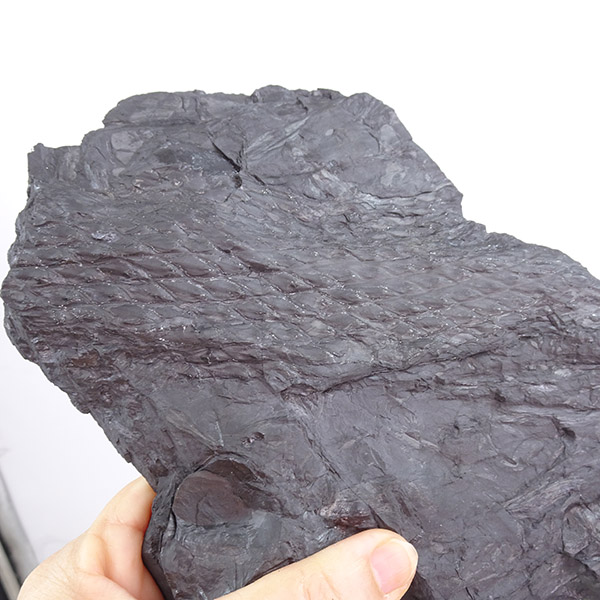
Measurements: 21 cm x 17 cm x 3 cm
1 in stock
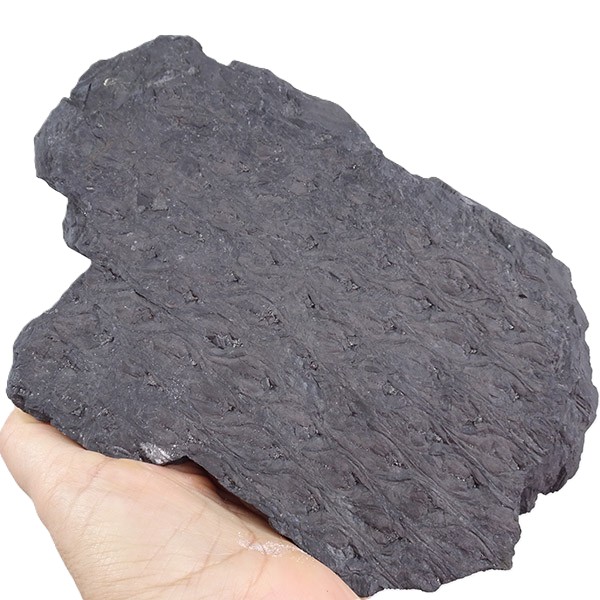
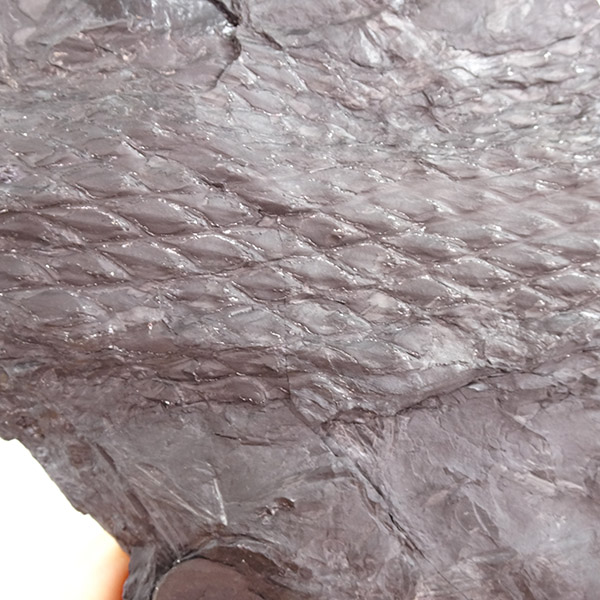
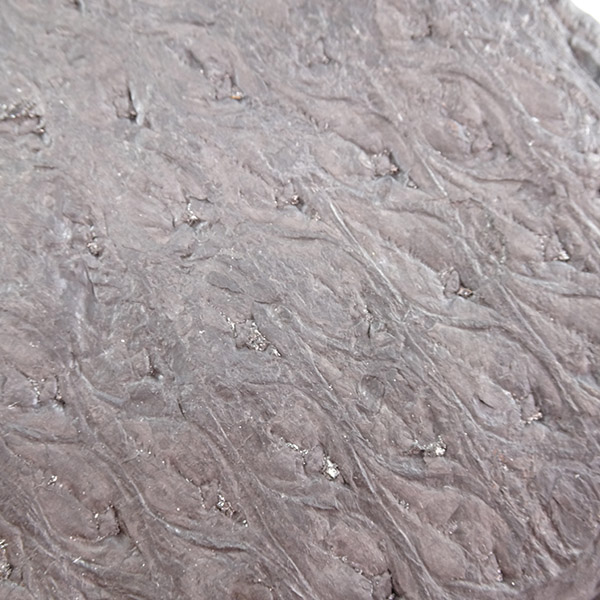
copy of Lepidodendron where rhomboidal impressions can be seen, from the scars formed by the fall of the leaves.
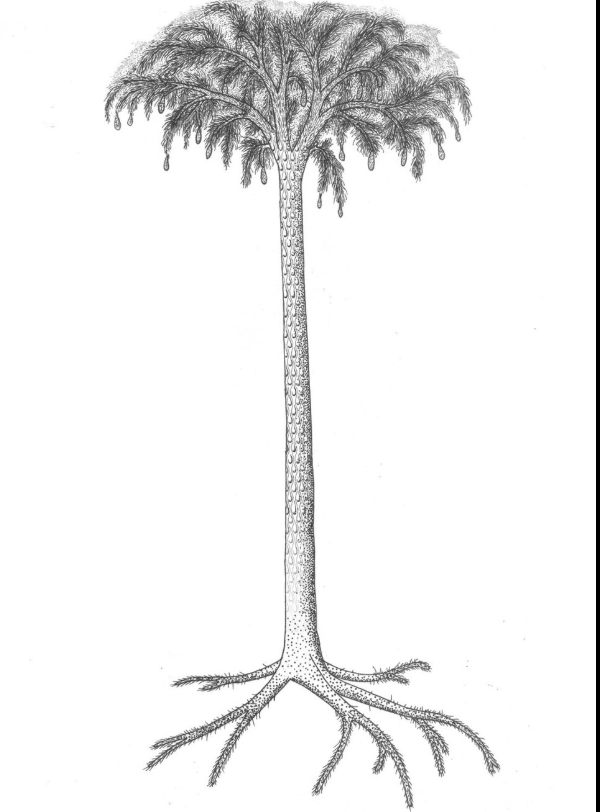
Lepidodendron, literally tree with scales, It is an extinct genus of Lycophyta with an arboreal habit that could reach more than 35 meters in height and a diameter of 2 meters. It probably developed in swampy areas or even in water, forming extensive forests. It was made up of a large trunk main or stem that branches from a certain height. The dichotomous branches form a wide crown or crown with increasingly thinner axes and bearers of lanceolate leaves and strobili. The base of the trunk also dichotomized several times to form a horizontal root system bearing leaf-like structures. The main characteristic of the fossils of Lepidodendron They are the rhomboidal impressions of the scars it had on the surface of its trunk, branches and roots formed by the fall of the leaves.
The leaves or microphylls of Lepidodendron They are always acicular to lanceolate and very variable in size depending on the species, the largest of them reaching up to 1 m in length. These leaves are inserted helically in the youngest branches. The base of the leaf is decurrent and ligulate, and has a basal sheath formed by a continuation of the bark. In this way the leaves of all the species, which were deciduous, fell leaving a patent and conspicuous rhomboid scar on the bark of both the main trunk and the branches.