
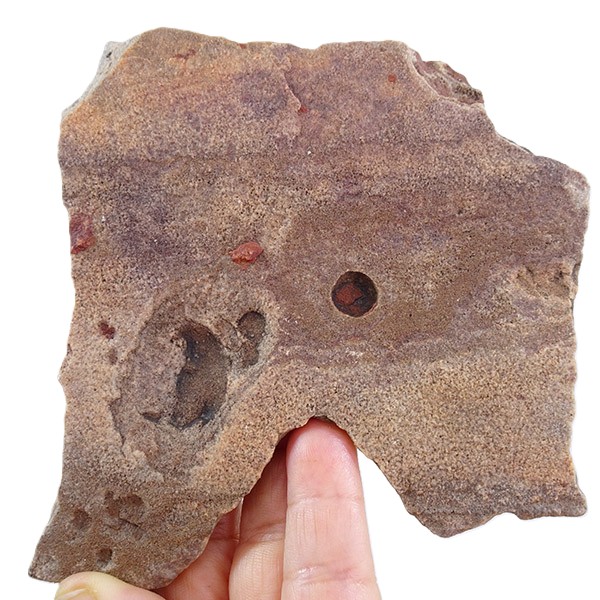
Namacalathus sisterstes
120,00 €
Supereon: Precambrian.
System: Ediacaran.
Origin: Fish River, IIKharas region, Namibia.
Plate measurements: 12.5 cm x 11.5 cm
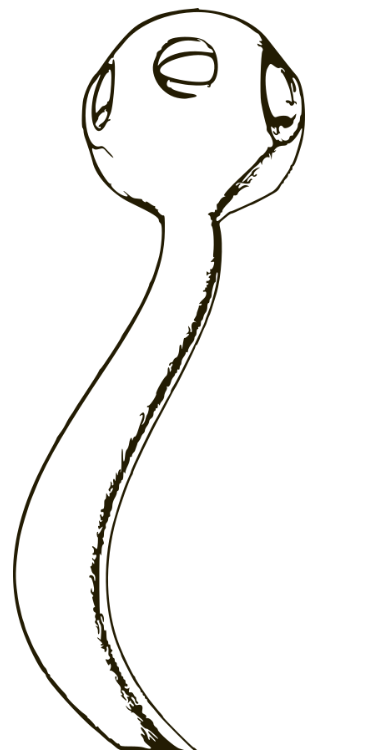
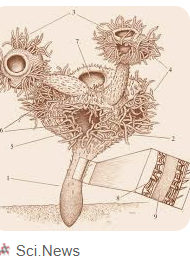
Namacalathus It is an extinct genus of metazoans (animals) of problematic parentage that appear at the end of the Ediacaran period. Namacalathus Hermanstes lived between 549 to 542 million years ago, had a calcium carbonate skeleton and was more advanced than sponges and corals, making it a complex animal before the Cambrian explosion.
Namacalathus It lived a benthic existence with its stem attached to the sea floor or possibly to mats of algae growing on the reef surface.
Namacalathus y Cloudina are the oldest known evidence in the fossil record of the occurrence of skeletal calcification formation in metazoans.
This finding suggests that complex animals were already living in this world millions of years earlier than previously thought. Until now, fossils of complex animals had been found in the Cambrian.
At this point the adjective “complex” becomes somewhat confusing, but it could refer to animals with bilateral symmetry, which would be the ancestors of all the animals that appeared later. This definition would leave out the Ediacara fauna, which, although being much older multicellular animals, do not seem very complex and do not seem to have left later descendants.
Analysis of the phylogenetic tree of complex animals or animals with bilateral symmetry indicates that they had to appear by evolution about 550 million years ago during the late Ediacaran.
This new study suggests that complex animals existed long before the famous Cambrian explosion, which is when all known animal phyla appeared.
Namacalathus belongs to the Animal kingdom and to the phylum incertae sedis (Latin for "of uncertain position"), but we have included it in the phylum cnidarians.