
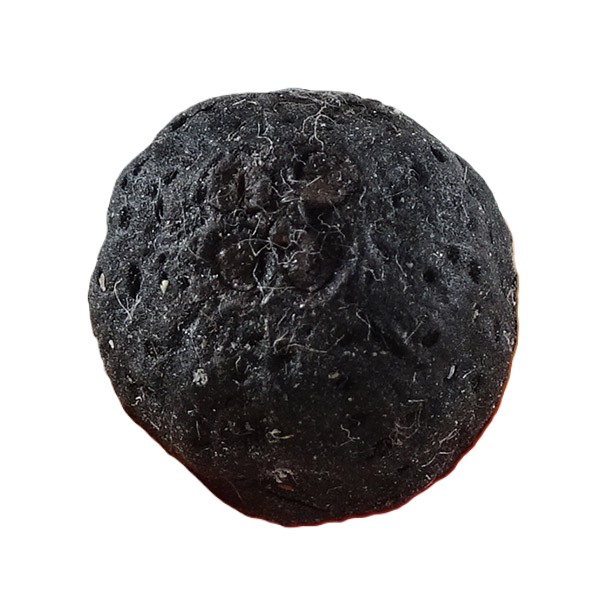
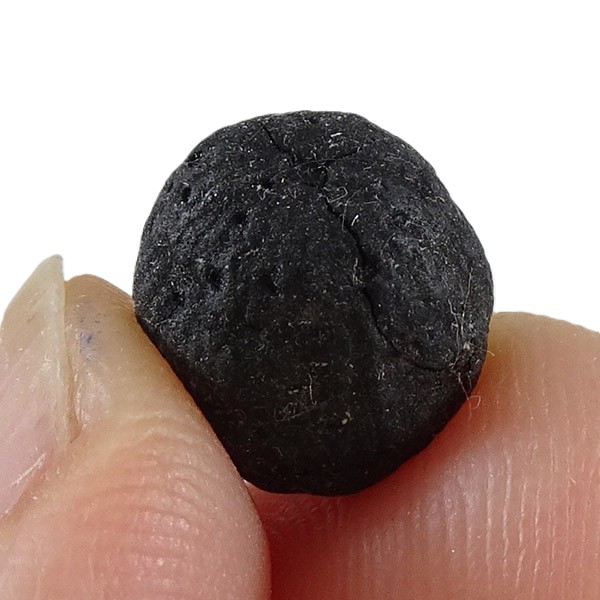
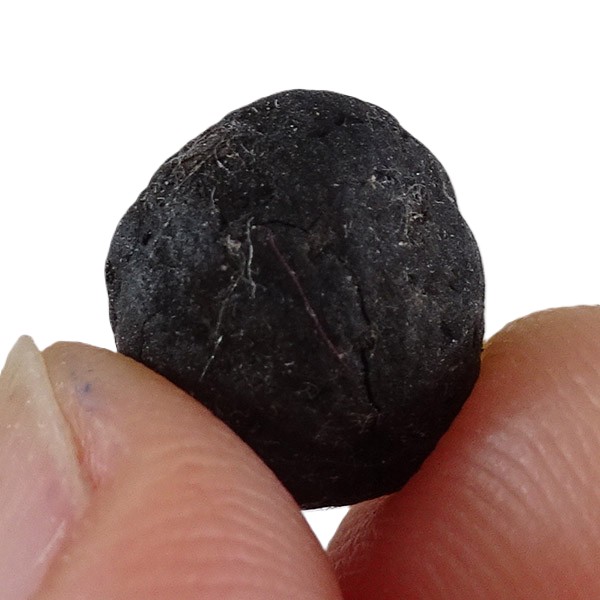
Pallioporia symplocoides SOLD
Series: Pliocene.
Provenance: Hambach mine, Jülich, North Rhine-Westphalia, Germany.
Measurements: 1.1 cm x 1 cm
Lignified fruit in drupe of Pallioporia From an old collection.
A drupe is a type of fleshy fruit with a seed enclosed in a hard stone, called an endocarp, which in turn is surrounded by a pulp (mesocarp) and a skin (epicarp). Common examples of drupes are cherries, peaches, plums, olives and mangoes.
Pallioporia It is a genus of plants belonging to the Symplocaceae family (order Ericales) including species of mainly mountainous trees and shrubs, currently distributed in warm regions of America and eastern Asia to Australasia. Although not currently found in Europe, the family was well represented there during the Tertiary, with at least eleven distinct species of Symplocos recognizable from fossil fruits in the European Neogene. In addition to several fossil species of Symplocos and two extinct genera of fruits attributed to Pallioporia and Sphenotheca.
This piece was found in the Hambach open pit coal mine. Jülich and the Hambach open pit mine are closely connected in western Germany (North Rhine-Westphalia). The gigantic lignite mine It is located very close to the city of Jülich, and the rubble from its excavation has given rise to Sophienhöhe, a huge artificial mountain visible from the Jülich area that today functions as a recreation and hiking area.
The box is included in the price.