
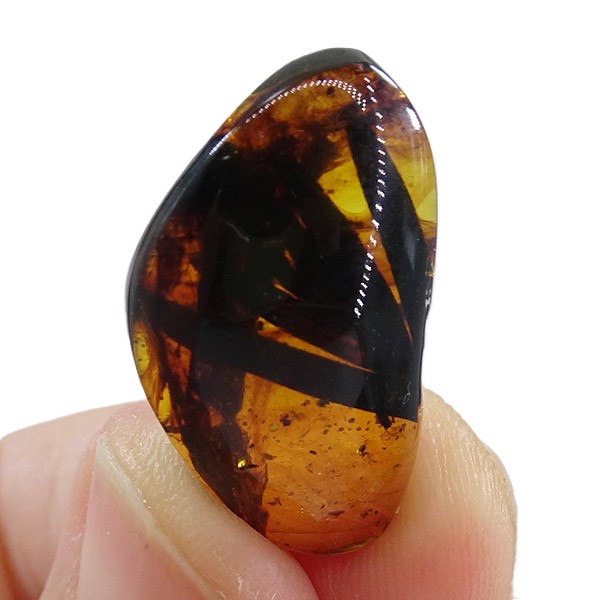
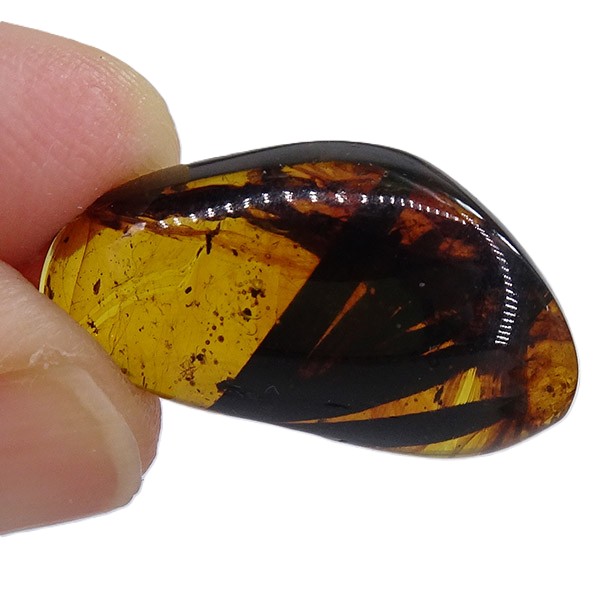
Metasequoia sp.
126,00 €
System: Cretaceous.
Series: Superior.
Stage: Cenomanian.
Origin: Hukawng Valley, Kachin State, Myanmar.
Mass: 1.27 g
Piece measurements: 2.4 cm x 1.3 cm
1 in stock
This piece contains sheets of Metasequoia.
Metasequoia is a genre of coniferous but deciduous and fast growing. Contains a living species, Metasequoia glyptostroboides.
Fossils are known from the Cenomanian onwards. During the Paleocene and Eocene, extensive forests of Metasequoia far to the north. It is likely that Metasequoia was deciduous at this time.
Since high latitudes in this period were warm and tropical, it is hypothesized that the deciduous trait evolved in response to unusual patterns of light availability, not large seasonal variations in temperature. For three months in the summer, the sun shone continuously, while three months in the winter were total darkness. It is also hypothesized that the change from evergreen to deciduous occurred before the colonization of high latitudes and was the reason Metasequoia was dominant in the north.
Burmese amber also known as Burmite or Kachin amber dates back about 100 million years. This amber is of great paleontological interest due to the diversity of flora and fauna it contains as inclusions, especially arthropods but also birds, amphibians, reptiles, fragmentary remains of dinosaurs...
Burmese amber comes mainly from the fossilized resin of extinct conifers belonging to the Araucariaceae family (trees related to modern trees). Agathis either Araucaria), which lived in humid tropical forests during the Cretaceous period.